
One half day shoot can give Toronto executives a month of LinkedIn video
Studio 65
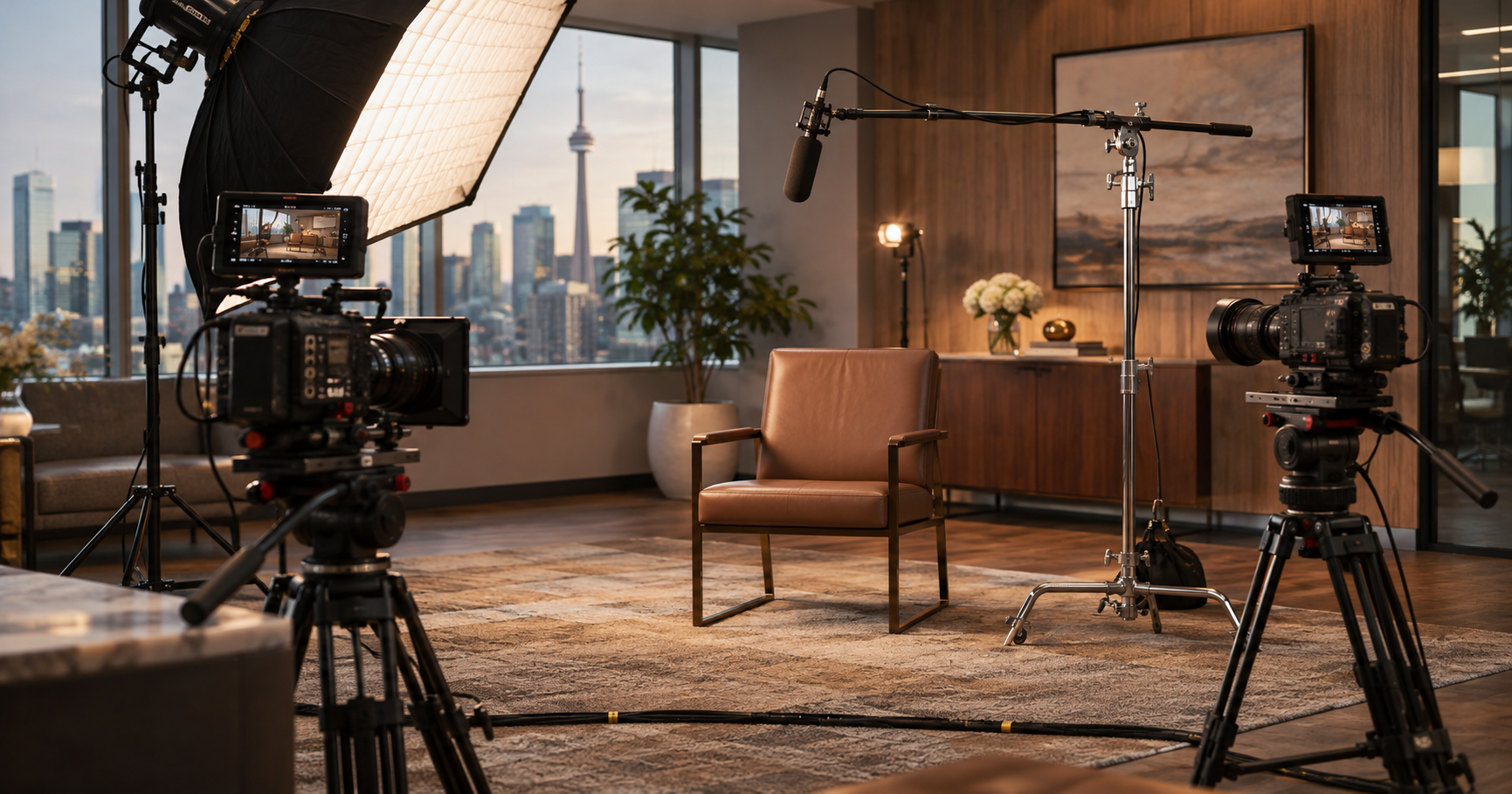
Toronto executives do not have a camera problem. They have a calendar problem.
The usual plan is a weekly shoot. Someone books a room for Tuesday, the executive gets pulled into a deal, the filming is cancelled, and the company page goes quiet. A teleprompter session does not fix that. A seasoned leader is not an actor, and a script they did not write rarely sounds like them.
There is another way to approach LinkedIn video production in Toronto. Spend a half day on a director led interview, then cut that conversation into a flagship film and a month of short posts. One visit. A feed that does not depend on filming every week.
Why weekly filming falls apart
Visibility on LinkedIn now belongs to people, not only to company pages. Leaders have the stories. They rarely have a free morning every week.
When the content plan depends on chasing the same executive again and again, the first busy week breaks it. Marketing is left with stills, a delayed film, or nothing.
The other trap is the teleprompter. Conviction turns into memorization. Viewers can tell. The better approach is a real conversation, planned in advance, so the leader can talk about the work they already know.
What LinkedIn actually rewards
LinkedIn’s own guidance is clear. Post the video directly on the platform rather than linking out, because a native upload is more likely to be seen. Aim for 60 to 90 seconds. Get to the point in the first three seconds. Add captions, because 85 percent of videos watched on LinkedIn are viewed on mute.
In a February 2026 article on its marketing blog, LinkedIn also reported that posts from C suite executives generate four times more engagement than other posts, and that videos are 20 times more likely to be shared. Video sharing from CEOs had increased 57 percent over the past two years.
Those figures describe platform behaviour. They are not a promise about any one film. They do explain why a Toronto leadership team should show up in the feed as people, in their own words, on a regular cadence.
The short video below is from LinkedIn for Marketing. It covers why video and creator voices build trust in business marketing. The practice notes that follow are for executives and marketing teams in Toronto and the GTA.
A conversation, not a performance
Studio 65’s corporate stories and social work is built around a half day on location. The crew arrives early, sets lighting and sound, and uses a stand in while the executive keeps working. When they sit down, they are not staring down a lens with a script in their lap. A director sits beside the camera and holds a conversation.
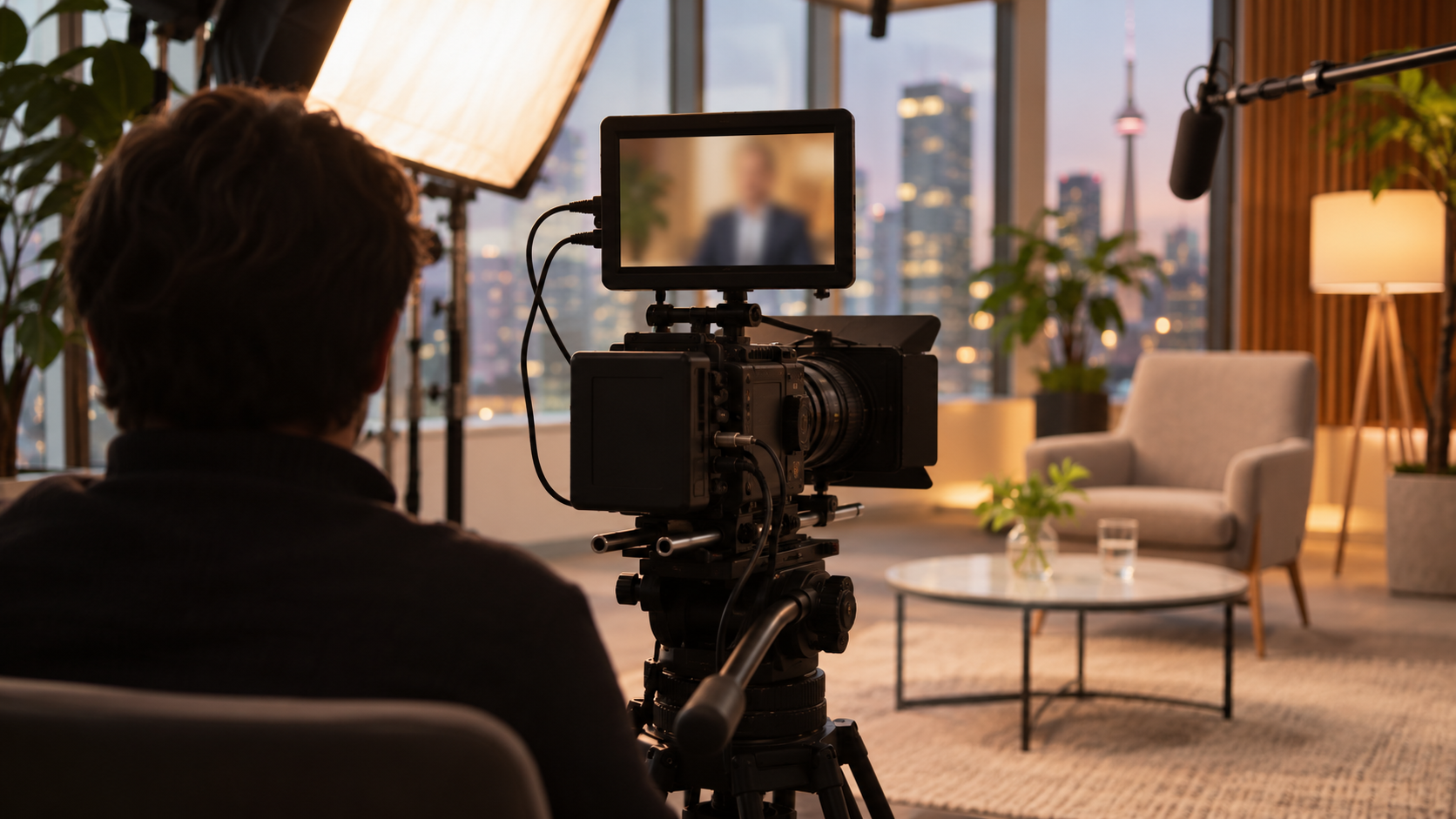
No teleprompter. No lines to memorize. Prompts are prepared in advance so the talk can cover both the longer story and the short hooks that work in a feed.
Supporting footage from the workplace, the team, and the work in motion gives the later edits texture. It also keeps the film from looking like a person talking in an empty room.
This is the same idea as putting a team on camera and building a regular series from it. For Green Care Energy, a Toronto HVAC and clean energy company, Studio 65 has spent a year planning, filming, editing, and posting vlog style Instagram videos that show the team and their work, and also designed and built their website, launched in 2026. The point is consistency from real people, not a new shoot invented every week.
One shoot, a month of posts
Plan the month before anyone arrives. The interview should produce:
- One flagship film, usually about two to three minutes, for the website, a sales deck, or a launch post
- A set of short LinkedIn cuts, each with a single idea, captions, and a hook in the opening seconds
- Supporting posts such as quote cards and a caption the executive can actually publish
- Horizontal versions where the website needs them, and vertical versions for the phone
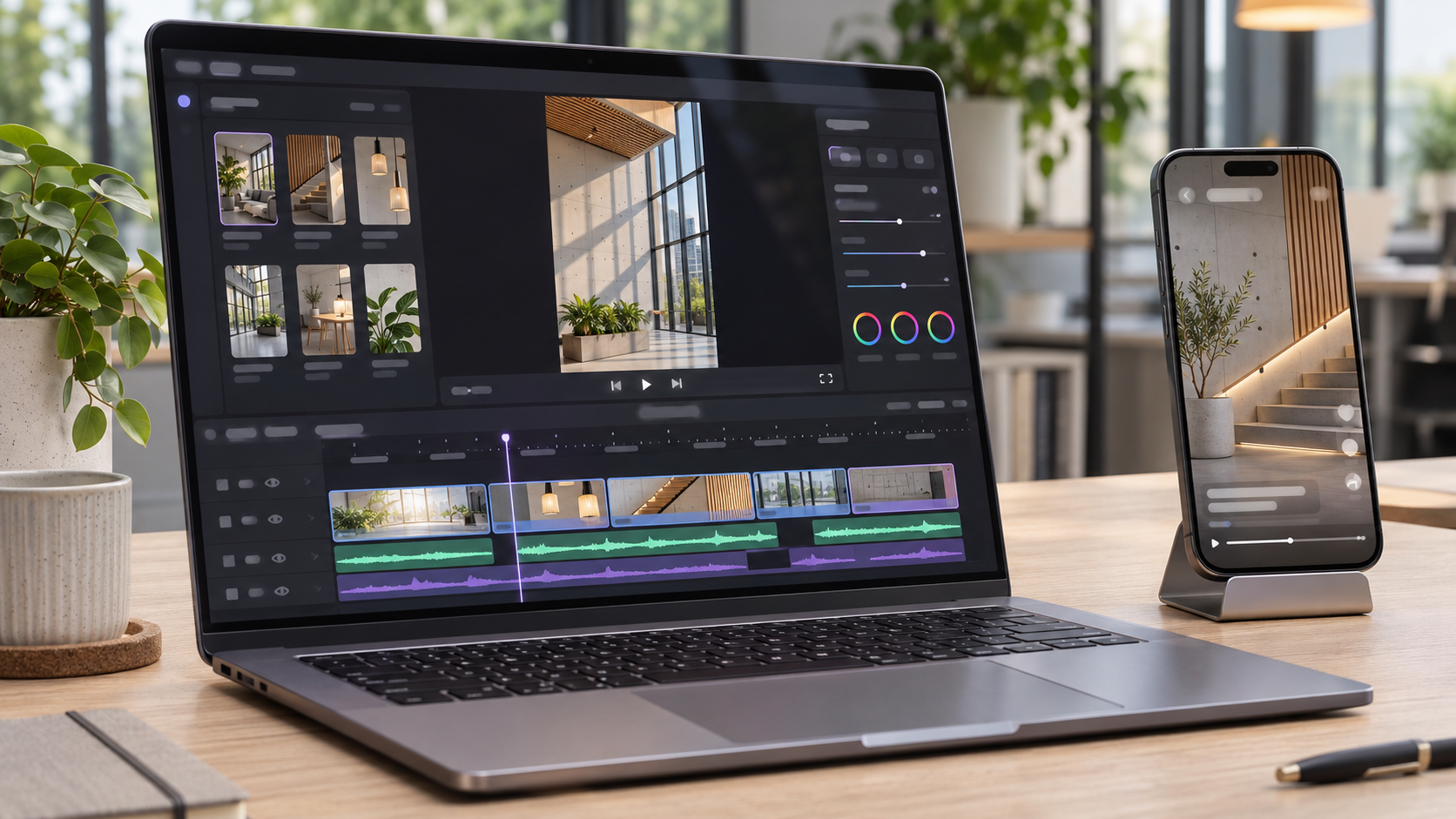
LinkedIn’s video guidance for business marketers makes the same case: plan how the footage will be used before you shoot, and break a longer conversation into shorter, shareable parts. Pair the video with post text. Do not ask a senior viewer to sit through a long open or a branded bumper that burns the first seconds.
Then publish on a cadence the team can keep. One film does not have to go out as one post. It can carry a month if the cuts are planned.
What to brief before the cameras arrive
Be specific:
- Who is speaking, and what they uniquely know
- The stories you want in the flagship film, and the shorter ideas that can live on their own
- How much executive time you can actually give on the day
- Where the film and the short cuts will be published
- Whether you need captions, native LinkedIn files, and website or sales versions from the same interview
Studio 65 has done this work from Toronto since 2017, as part of our video, photography, and marketing services. If you want to scope a half day interview and a month of LinkedIn video, start a project or write to hello@studio65.ca. You can also use the contact page.
Frequently asked questions
- Our executives are uneasy on camera. How do you keep them sounding like themselves?
- Treat it as a conversation, not a performance. Skip the teleprompter. Prepare prompts, sit the director beside the camera, and let them talk about work they already know.
- How much executive time does a half day shoot actually take?
- The crew can set lighting and sound before the executive is needed. The interview itself is a single sitting, not a weekly booking. Exact timing depends on the brief.
- Do we still need a long brand film if we only care about LinkedIn?
- A short native post is what the feed rewards. A longer flagship film is still useful on the website and in sales. Both can come from the same interview.
- Should we post on the company page or on the executive’s profile?
- Use both when you can. LinkedIn reports that posts from C suite executives draw more engagement than other posts. The company page can still carry the flagship film and support the same story.
- Can this work if we already have photos and a website?
- Yes. Video does a different job. It lets people hear the leader and see the work in motion. It should match the rest of the brand, not replace a site or a stills set.
- How do we start?
- Start a project or email hello@studio65.ca with who you want on camera, what the film is for, and when you need it.